On a Yellow Card
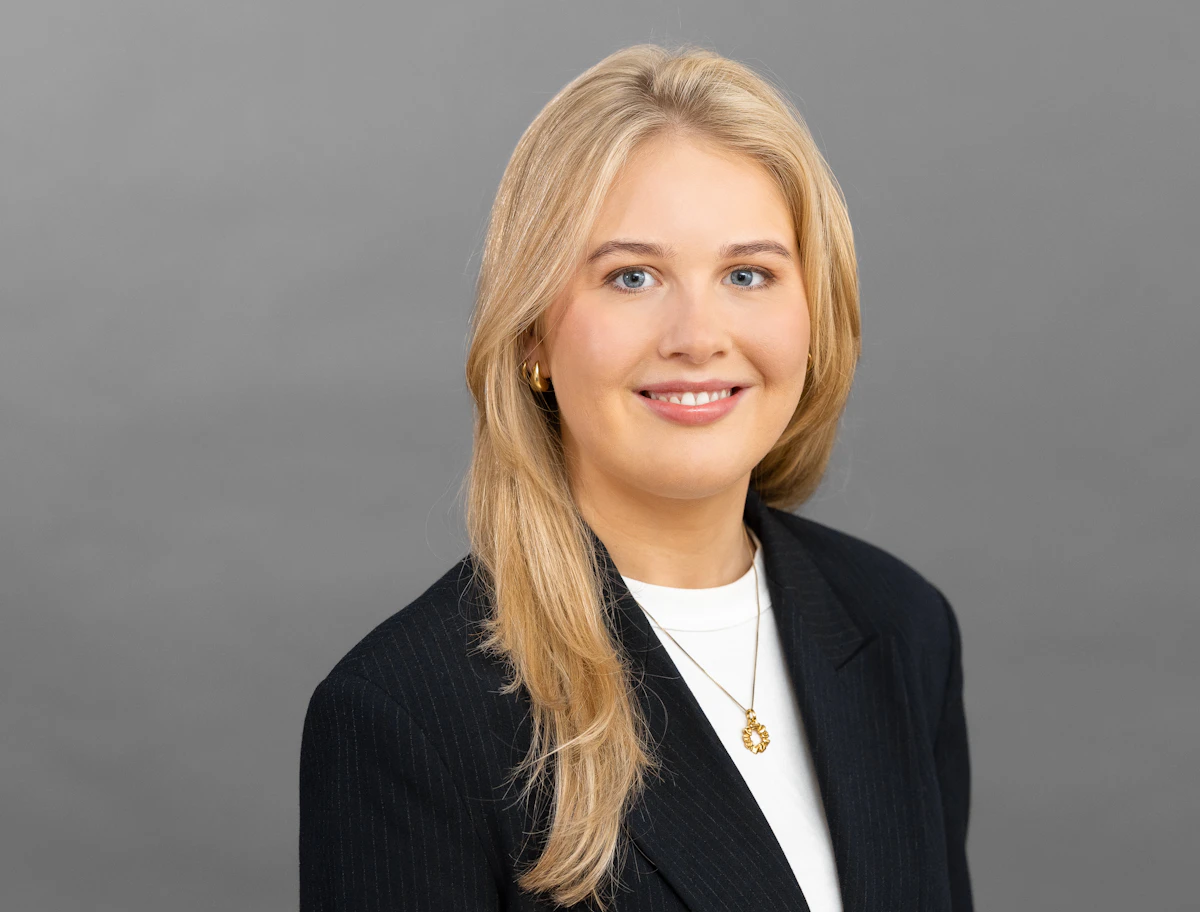
Birta Karen Tryggvadóttir, economist at the Iceland Chamber of Commerce policy division, and Jakob Lars Kristmannsson, specialist at the Iceland Chamber of Commerce policy division, discuss the results of the new IMD competitiveness survey in which Iceland falls seven places year-on-year and now sits in 22nd place out of 70 countries.

The FIFA World Cup is currently under way, with nations competing for the world title. On the pitch, everything depends on being well prepared, having a strong squad, a good game plan, and the ability to respond swiftly when the game changes. Yet nations do not compete solely on the football pitch. Every day they also contend in international competition for investment, skilled workers, and living standards.
When a team receives a yellow card, it is a warning that it needs to reconsider its position and tactics. The new 2026 IMD competitiveness survey from the IMD Business School in Switzerland is a yellow card for Iceland. The country falls seven places year-on-year and now sits in 22nd place out of 70 countries. This is Iceland's worst ranking since 2017 and naturally raises questions about what can be improved.
The IMD assessment is based on four main factors: economic performance, government efficiency, business efficiency, and infrastructure. Iceland falls across all four factors year-on-year and is also last among the Nordic countries in three of them. Only in business efficiency does Iceland rank above the midpoint. The measurement is based on numerous economic indicators as well as assessments from business executives, providing a broad picture of the competitiveness standing of individual countries in an international context.
Labour market losing competitiveness
The labour market is the sub-factor in which Iceland falls most sharply year-on-year, from 20th to 48th place. The report suggests that Iceland faces challenges in attracting foreign specialists and building the human capital that is essential for the knowledge- and technology-driven business activity of the future.
Wages are also high in Iceland by international standards. Over the longer term, however, wage growth and productivity must keep pace with one another; if labour costs grow faster than productivity, the competitive position of businesses — and with it the economy as a whole — will weaken.
Heavy bureaucracy comes at a cost
The results confirm what many in the business community have been pointing out for some time: the government's regulatory framework does not adequately support business. Iceland falls ten places in the institutional framework sub-factor, driven primarily by burdensome regulation and bureaucracy, which are more likely to hamper business competitiveness than to have an encouraging effect. It is also noted that the authorities are slow to respond to changing economic conditions. This is a cause for concern, as government efficiency is no less important when it comes to the competitiveness of nations.
It should also be noted that exchange rate volatility trends have also contributed to the decline in this sub-factor. That fact is almost entirely explained by the circumstance that last year the króna was measured as more stable than the euro, placing Iceland above all countries that use the euro or are linked to it in some way. This year, however, the króna is measured as less stable than the euro, causing Iceland to fall several places in that category.
Opportunity in foreign investment
Lack of foreign investment is a persistent challenge, and Iceland typically scores low in international comparisons, sitting in 58th place. Foreign investment represents not only a supplement to domestic capital, but also knowledge that generally strengthens productivity and value creation.
The benefit manifests itself particularly in the fact that the added value largely stays in the country in the form of higher wages, tax revenues, and increased demand for domestic inputs and services. To attract such investment, clearer and simpler regulation is needed, along with an efficient, stable, and predictable business environment.
Turning defence into attack
The competitiveness world championship continues, and opportunities exist to turn defence into attack. This requires targeted action towards simpler regulation so that government and business work together towards greater Icelandic competitiveness and continued improvement in living standards.
Birta Karen Tryggvadóttir, economist at the Iceland Chamber of Commerce policy division
Jakob Lars Kristmannsson, specialist at the Iceland Chamber of Commerce policy division
The article was first published in Viðskiptablaðið, 24 June 2026.
This article was automatically translated from the Icelandic original.
Related Content
Carbon tariff an undesirable response to a flawed system

The Icelandic Economy 2026

Iceland falls seven places in competitiveness year-on-year

Warning over added burdens on companies from the energy efficiency directive
How did the government perform this winter?