Warning over added burdens on companies from the energy efficiency directive
The Iceland Chamber of Commerce has reviewed the plans for implementing the EU energy efficiency directive and warns that the legislation will place additional burdens on Icelandic companies. Iceland's particular circumstances — a high share of energy-intensive industry and of renewable energy — mean the directive must not be implemented more onerously than EEA obligations require.
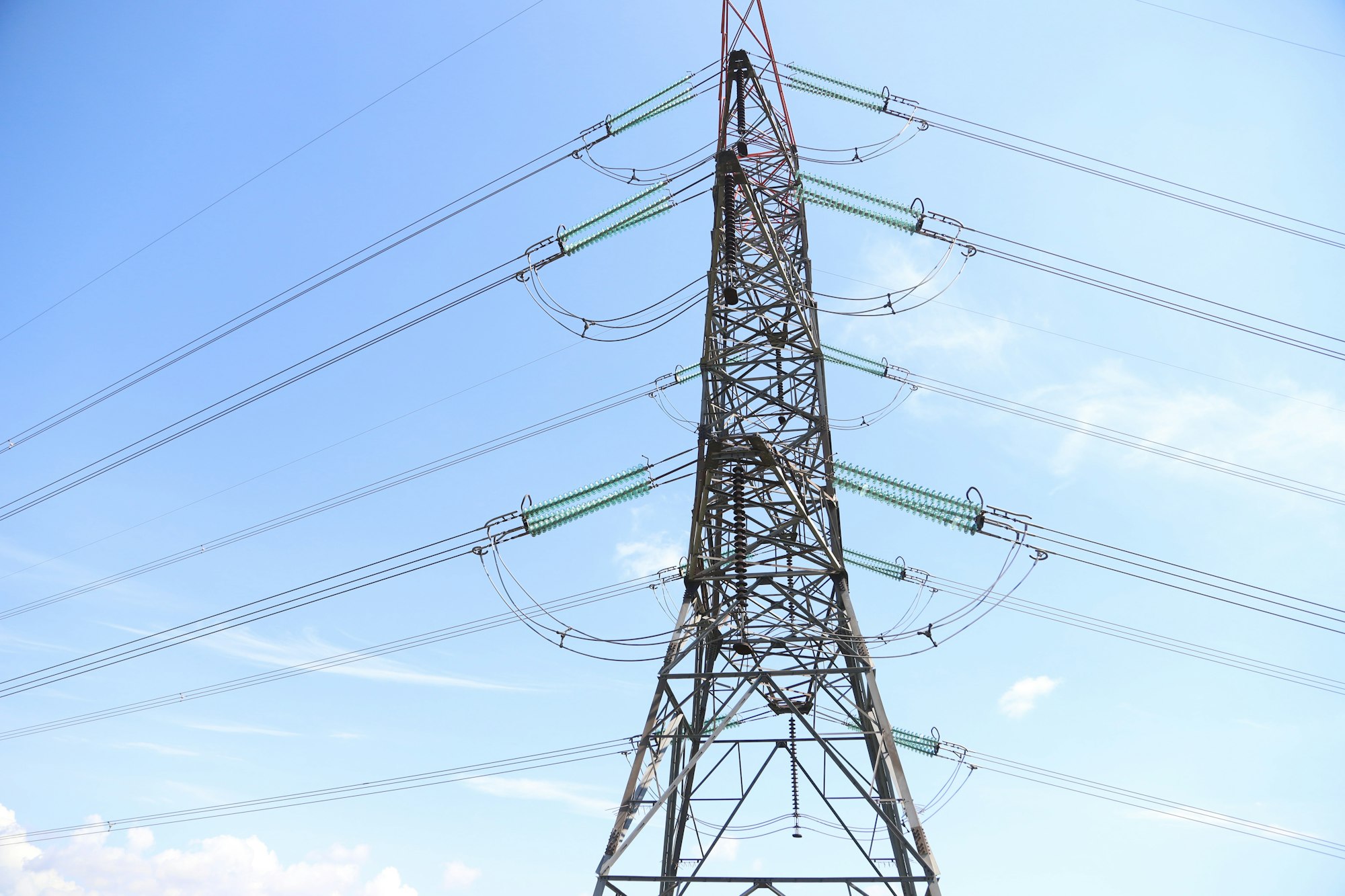
The Iceland Chamber of Commerce has reviewed the Minister for the Environment, Energy and Climate's plans for legislation implementing the EU directives on energy efficiency. The plans include, among other things, enshrining in law a national target for improved energy efficiency to 2030 and an annual target for new energy savings. Larger companies will also be required to carry out regular energy audits or implement certified energy management systems in order to meet the directive's requirements. The Environment and Energy Agency is expected to handle administration, oversight, and data collection in connection with the implementation of the legislation.
The preliminary impact assessment of the legislation indicates that it will entail substantial costs for larger companies through increased regulatory burden and reduced competitiveness. The legislation can be expected to have a particularly negative effect on Icelandic companies beyond what applies to companies in Iceland's main competitor countries. On the one hand, the high share of energy-intensive industry in Iceland results in a savings obligation more than three times the EU average. On the other, the high share of renewable energy sources in Iceland means there are fewer opportunities for energy savings, while already low energy prices make them less economically attractive.
To respond to these particular circumstances, the requirement for annual energy savings is to be reduced from 0.8% to 0.24% in Iceland's case. Likewise, Iceland will continue to be exempt from the EU requirement of at least 32.5% improved energy efficiency by 2030, but will instead be obliged to set itself a national indicative target for improved energy efficiency for the same date.
The Iceland Chamber of Commerce considers that, despite the above efforts to adapt the directive to Icelandic conditions, more is needed. What remains are plans for extensive obligations on larger companies to carry out regular energy audits or implement certified energy management systems. The Implement Consulting Group report accompanying the plans states that low electricity prices for large users in Iceland mean that few of the energy-saving measures such audits recommend would be economically viable enough to justify investing in them.
The implementation also needs to take account of Iceland's particular characteristics, such as the widespread use of renewable energy for space heating and climatic conditions that differ substantially from those in many EU member states. These factors call for a thorough assessment of the effects of implementing the directive and of any changes made on the basis of it.
The Chamber warns that the implementation will place additional burdens on Icelandic companies and emphasises that it must not reduce companies' capacity to undertake investments aimed at greater energy efficiency and the energy transition. The Iceland Chamber of Commerce also wishes to urge the authorities not to implement the directive more onerously than follows from obligations under the EEA Agreement — for example through changes to the size thresholds determining which companies fall under the directive, or by other means.
It is also foreseeable that the planned bill will entail a substantial increase in administrative costs because of new oversight obligations. It is therefore essential that those costs are fully assessed during the drafting of the bill, and that any powers granted to the Environment and Energy Agency are clearly limited to what is necessary in each case.
This article was automatically translated from the Icelandic original.
Related Content
Carbon tariff an undesirable response to a flawed system

Increased regulation of the .is national domain needs explanation

State investments need clearer cost-benefit analysis

R&D support system must be simple and predictable

DORA criteria must be clear and predictable