Broader permission to sell over-the-counter medicines would be a positive step
Viðskiptaráð supports a bill permitting the sale of over-the-counter medicines outside pharmacies, which it believes would increase competition, improve consumer access and strengthen retail in rural areas. It also proposes reviewing pharmacy staffing requirements and price controls on prescription medicines.
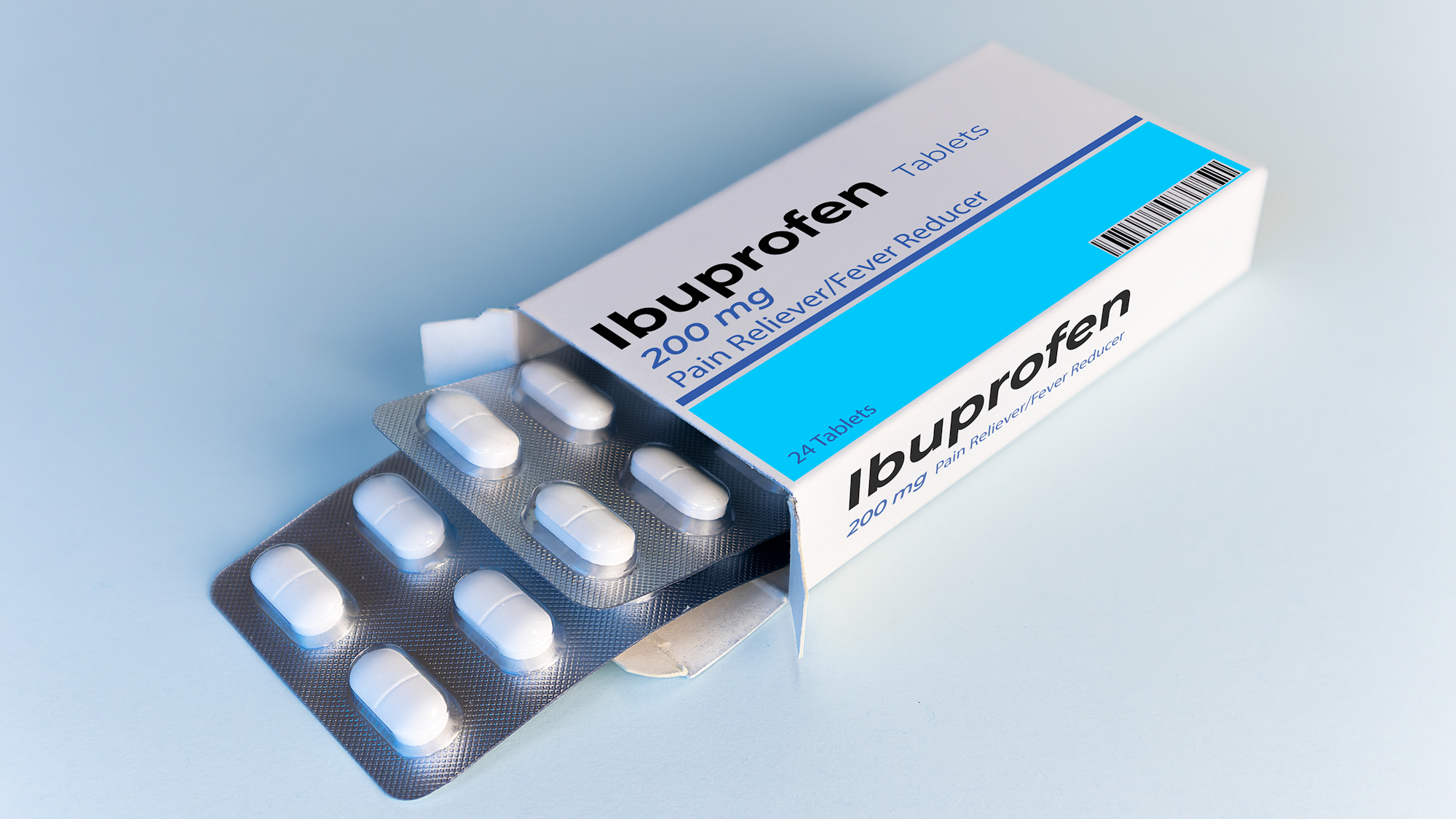
Viðskiptaráð has submitted its comments on a bill amending the Medicinal Products Act No. 100/2020 (sale of over-the-counter medicines), case no. 190 at the 158th session of Althingi. The bill proposes permitting the sale of over-the-counter medicines outside pharmacies, regardless of whether a pharmacy or pharmacy branch operates nearby. In Viðskiptaráð’s view, the change is likely to increase competition in the medicines market, improve consumer access and promote more cost-effective distribution of medicines.
Viðskiptaráð has previously argued for broader permission to sell over-the-counter medicines in general retail stores.[1] In its submissions, it has specifically proposed examining whether such sales should be permitted, taking into account arrangements in neighbouring countries, and pointed out that increased competition tends to lead to lower prices and better service, while broader sales permissions would make it easier for consumers to obtain common over-the-counter medicines.
The current arrangement essentially restricts the sale of over-the-counter medicines to pharmacies, even though consumers may buy these medicines without a prescription. Such restrictions reduce competition and consumer choice and can affect prices and access. Permitting the sale of over-the-counter medicines in general retail stores would increase the number of potential sellers and give consumers more freedom to choose where and when they buy medicines. The change could also be particularly significant in rural areas, where access to pharmacies is limited in many places. Broader sales permissions could improve services for residents and strengthen the viability of general retail stores in smaller communities.
Viðskiptaráð also considers it important that restrictions on the freedom to conduct business and on competition go no further than necessary to protect legitimate public interests. Although there are strong reasons to impose special requirements on the sale of medicines, proportionality must be observed in how they are designed. In Denmark, Norway and Sweden, certain over-the-counter medicines have for years been sold outside pharmacies, subject to conditions on, among other things, storage, dispensing and which medicines may be sold. That experience shows that greater consumer access can be reconciled with requirements for consumer safety. As the bill is developed further, it is important that this experience is taken into account and that regulation and supervision do not create unnecessary costs or barriers for new sellers.
Alongside broadening the permission to sell over-the-counter medicines, Viðskiptaráð considers it important to review the obligations placed on existing pharmacies. The aim should be to create a competitive and efficient operating environment in which requirements on businesses go no further than necessary to ensure the safety and quality of the service. In this respect, Viðskiptaráð sees particular reason to review statutory staffing requirements for pharmacies. Under paragraph 5 of Article 37 of the Medicinal Products Act, two pharmacists are as a rule required to be on duty in a pharmacy during normal opening hours and at peak times outside them, although exemptions may be granted in certain circumstances. Such a main rule limits pharmacies’ ability to adjust staffing to the scale of their operations and actual needs, and can be particularly burdensome for smaller pharmacies and pharmacies in rural areas. Viðskiptaráð considers it appropriate to review this requirement and instead base staffing on the scale of operations and risk, provided that the safety and quality of pharmaceutical services are ensured.
Viðskiptaráð also sees reason to review the pricing of prescription medicines. Under Article 66 of the Medicinal Products Act, the Icelandic Medicines Agency sets their maximum retail price, including pharmacies’ retail markup. This arrangement limits pharmacies’ ability to respond to changes in operating costs and reduces predictability in their operations. It is important to review these price controls with the aim of increasing scope for competition and ensuring that the operating environment for pharmacies is both transparent and predictable.
References
1 See Viðskiptaráð’s submission on the parliamentary resolution on a medicines policy (2017, in Icelandic). Link: https://vi.is/umsagnir/aeskilegt-ad-kanna-moguleikann-a-lausasolulyfjum-i-almennum-verslunum
This article was automatically translated from the Icelandic original.
Related Content

Implementation of market surveillance rules should go no further than necessary

Rent caps undermine tenants’ housing security

Increased regulation of the .is national domain needs explanation

Carbon tariff an undesirable response to a flawed system

State investments need clearer cost-benefit analysis